La agricultura global atraviesa un punto de quiebre estructural. A lo largo del 2025 y profundizándose en este 2026, la crisis de eficacia de los agroquímicos convencionales ha dejado en evidencia la fragilidad de un modelo basado en la toxicidad directa.
La incesante aparición de cepas fúngicas hiperresistentes, sumada a una presión regulatoria internacional sin precedentes, ha detonado un auge exponencial en el sector de los bioinsumos. Sin embargo, la agrotecnología del futuro ya no persigue la erradicación química del invasor; su tesis central es mucho más sofisticada: invertir en robustecer, modular y armar preventivamente el sistema inmunológico innato de la propia planta. En el corazón de esta revolución silenciosa se encuentran los biopolímeros naturales y el modelado enzimático, con dos protagonistas absolutos: la quitina y la quitinasa.
El Paradigma de la Resistencia Adquirida: Transición de la Toxicidad Química a la Elicitación Biológica
El colapso del modelo agrotóxico tradicional era previsible. El uso intensivo e indiscriminado de fungicidas de síntesis ha forzado una presión selectiva que genera, campaña tras campaña, patógenos invulnerables a los ingredientes activos comerciales. Frente a este escenario, la biostimulación de amplio espectro emerge no como una alternativa paliativa, sino como la única vía científicamente sostenible para mantener la productividad del ecosistema agrícola contemporáneo.
Bioquímica Comparada: La Quitina y el Quitosano como los Polímeros Fundamentales
Para comprender esta disrupción, es imperativo descender a la escala molecular. La quitina es el segundo biopolímero más abundante en la biosfera, superado solo por la celulosa. Químicamente, es un homopolímero de cadena lineal compuesto por unidades repetitivas de N-acetil-D-glucosamina unidas mediante enlaces β-1,4.
2º
Biopolímero más abundante en la biosfera
β-1,4
Enlace estructural de la quitina
162
Licencias bioinsumos Brasil 2025 (récord MAPA)
A diferencia de la celulosa vegetal, la quitina es sintetizada primordialmente por organismos ajenos a las plantas: constituye la armadura estructural de los exoesqueletos de artrópodos, los huevos de nematodos y, de manera crítica para la fitopatología, las paredes celulares y esporas de los hongos. Mediante procesos biotecnológicos de desacetilación industrial, esta matriz abundante y renovable se bioconvierte en quitosano, un derivado de incalculable valor agronómico y comercial.
Biología del Efecto Elicitor: Detonando el Sistema de Alarma Celular
Cuando una planta detecta la presencia de quitina en su entorno, no la procesa como un simple polímero inerte, sino como una inequívoca firma molecular de peligro. Evolutivamente, las plantas carecen de un sistema inmunológico centralizado; en su lugar, dependen de receptores de membrana altamente específicos (como el CERK1) que identifican estos marcadores exógenos.
El acoplamiento de fragmentos de quitina a estos receptores desata un violento sistema de alarma intracelular: la Resistencia Sistémica Adquirida (SAR). Esta cascada defensiva induce la rápida lignificación de los tejidos, el cierre estomático y la biosíntesis de fitoalexinas letales para frenar el avance patogénico.
CERK1
Chitin Elicitor Receptor Kinase 1. Receptor de membrana vegetal que reconoce oligómeros de quitina y dispara la cascada inmune.
SAR
Resistencia Sistémica Adquirida. Estado de alerta defensiva activado en toda la planta tras un primer contacto con elicitores.
Fitoalexinas
Compuestos antimicrobianos sintetizados por la planta como respuesta directa al ataque patogénico.
Quitosano
Derivado desacetilado de la quitina con actividad bioestimulante, antimicrobiana y formadora de biopelículas.
La Enzima Quitinasa: El Sofisticado Arsenal Hidrolítico de las Células Vegetales
Las plantas no son sujetos pasivos frente al ataque. Su primera línea de defensa perimetral está mediada por la síntesis constitutiva e inducida de quitinasas, enzimas hidrolíticas diseñadas biológicamente con un propósito letal: localizar y destruir el blindaje de sus atacantes.
Taxonomía Enzimática, Familias y Mecanismo Directo de Acción
Cuando el micelio de un hongo invasor entra en contacto con el apoplasto vegetal, las quitinasas inician una lisis celular devastadora. Estas enzimas se clasifican taxonómicamente en tres familias principales: GH18, GH19 y GH20. Mientras que la familia GH19 es predominantemente de origen vegetal y de respuesta defensiva ultraespecífica, la GH18 posee una distribución filogenética amplia, presente incluso en bacterias benéficas del suelo. El mecanismo es implacable: las quitinasas catalizan la escisión térmica e hidrolítica de los enlaces β-1,4 del hongo, disolviendo sus estructuras vitales, frenando la infección y liberando nutrientes nitrogenados que la planta reabsorbe.
Familias enzimáticas clave: GH18 (amplia distribución, incluye bacterias benéficas del suelo) · GH19 (predominantemente vegetal, respuesta defensiva ultraespecífica) · GH20 (β-N-acetilhexosaminidasas).
Biosensores de Ultra Precisión: Anticipando el Estrés Silencioso
Más allá del campo de batalla microscópico, las quitinasas están abriendo un mercado multimillonario en el diagnóstico preventivo. Investigaciones pioneras lideradas por la Dra. Nilsen-Hamilton y el Laboratorio Nacional Ames (DOE, EE. UU.) han demostrado que la transcripción de ARN y la sobreproducción de quitinasa en cultivos como el maíz, la soja y el arroz se disparan exponencialmente ante el estrés biótico y abiótico, semanas antes de que la infección fúngica sea macroscópicamente visible.
Este comportamiento convierte a la quitinasa en el biomarcador definitivo. La lectura in situ de estas enzimas promete revolucionar la sanidad vegetal, permitiendo a sistemas de inteligencia artificial y biosensores olfativos diagnosticar amenazas como el Aspergillus niger en fases tempranas, erradicando el factor sorpresa que cuesta a la agricultura global miles de millones anuales.
La Fascinante Carrera Armamentística Microbiana: El Descubrimiento Universitario que Cambia las Reglas
La interacción patógeno-planta es un conflicto de inteligencia evolutiva pura. Los recientes descubrimientos de la Universidad de Málaga (UMA) y la Universidad de Valencia (UV) han destapado una de las mecánicas de evasión más asombrosas de la naturaleza, desplazando por completo el enfoque estático de la fitopatología tradicional.
Evolución Patogénica y el Camuflaje de la Enzima CDA
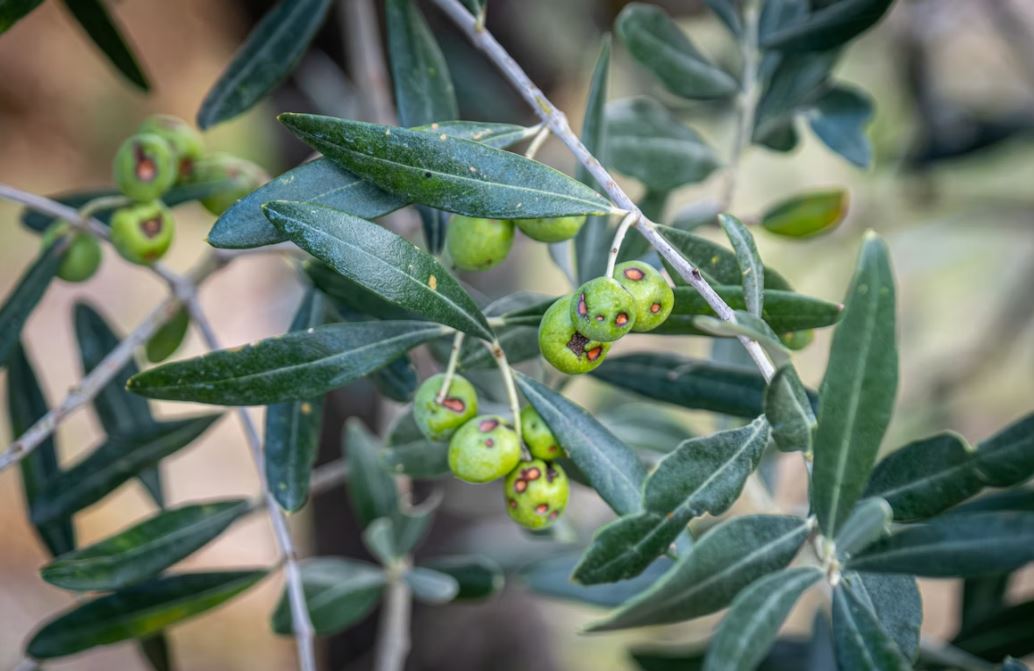
Al fragmentar la pared del hongo, las quitinasas vegetales esparcen oligómeros de quitina que son detectados por los radares de la planta (receptor CERK1). Sin embargo, patógenos agresivos como el oídio (Podosphaera xanthii) han desarrollado una contraofensiva magistral: segregan la enzima Quitina Deacetilasa (CDA).
Manto de invisibilidad molecular: La función de la CDA es transmutar químicamente los oligómeros delatores, eliminando sus grupos acetilo y convirtiéndolos en quitosano silente. Al cambiar su conformación y carga electrostática, estos fragmentos se vuelven completamente indetectables para la planta. El hongo despliega así un "manto de invisibilidad", anulando la respuesta inmunológica y necrosando los tejidos a voluntad.
Bloqueo Topológico Molecular: Restaurando la Vulnerabilidad del Patógeno
El hito disruptivo de la UMA y la UV reside en el diseño racional y la síntesis de inhibidores químicos no tóxicos y ultraespecíficos que bloquean la acción catalítica de la CDA. Al neutralizar este camuflaje, los compuestos patentados fuerzan al hongo a mantener expuestos sus oligómeros originales.
Sin su invisibilidad molecular, el hongo vuelve a ser blanco inmediato de la Resistencia Sistémica Adquirida de la planta. Este enfoque desintegra la impunidad de agentes altamente resistentes a fungicidas tradicionales, incluyendo letales mohos poscosecha (Penicillium) y botritis, marcando el fin de la era de los ingredientes activos tóxicos en favor del biocontrol molecular.
Retornos de Inversión y Aplicaciones Prácticas en el Lote de Producción
Lejos de quedarse en el aislamiento de una placa de Petri, la bioingeniería de la quitina aporta valor comercial, tangible y escalable al agronegocio mundial. Es aquí donde la teoría celular se traduce en rentabilidad operativa para el productor tecnificado.
Depredación Microbiana y Supresión de Nematodos
La enmienda de suelos con matrices de quitina desencadena una feroz cascada ecológica en la rizosfera. Al aportar esta biomasa, se fomenta explosivamente la colonización de microorganismos quitinolíticos y depredadores antagonistas, como las agresivas cepas comerciales de Trichoderma spp. Estos hongos beneficiosos detectan la quitina y secretan arsenales de quitinasas que parasitan y disuelven las estructuras protectoras y los huevos de nematodos fitoparásitos formadores de agallas, logrando un biocontrol edáfico de una eficacia inalcanzable para los nematicidas sintéticos.
Revolución del Perfil de Suelo: Frass Biológico y Biofertilización Regenerativa
En un marco de severo estrés climático, donde regiones agrícolas primarias (como el núcleo de Argentina) oscilan entre inundaciones atípicas y sequías calcinantes, la quitina actúa como un salvavidas estructural. El uso creciente de guano de insecto (frass) —subproducto masivo de la automatizada cría de Tenebrio molitor— genera un impacto volumétrico radical en la agregación de coloides y la red de macroporosidad edáfica.
Esta enmienda mejora exponencialmente la retención hídrica capilar y proporciona una mineralización sostenida de nitrógeno orgánico que suprime el lixiviado tóxico. Además, su capacidad de quelar metales pesados convierte a los polímeros de quitina en herramientas indispensables para la fitorremediación de suelos históricamente castigados.
Recubrimientos Bioactivos y Extensión de la Vida Útil Poscosecha
El quitosano de alto peso molecular domina ya la logística de las semillas y la poscosecha. Su aplicación como recubrimiento microscópico (seed coating) protege a las valiosas semillas de soja de ataques fúngicos iniciales, eliminando la toxicidad de curasemillas tradicionales.
En la etapa final de exportación frutihortícola, los beneficios logísticos son críticos. Tomando a Chile y su multimillonaria exportación de tomate industrializado como referente global, las biopelículas de quitosano reducen drásticamente las tasas de deshidratación en cámaras frigoríficas y travesías interoceánicas. Esta barrera semipermeable bloquea de forma profiláctica infecciones latentes (como el moho Rhizopus stolonifer), garantizando los exigentes Límites Máximos de Residuos (LMR) requeridos por potencias como Japón y la Unión Europea.
El Panorama Macroeconómico, Disrupciones Tecnológicas y Perspectivas (2025-2026)
La irrupción comercial de la quitinasa no ocurre en un vacío; está catalizada por dinámicas de mercado irrefrenables, donde la biotecnología celular cruza sus caminos con el silicio y las normativas gubernamentales.
El Boom Regulatorio y el Establecimiento Normativo de los Bioinsumos
Los mercados tractores han hablado de forma categórica. El año 2025 marcó un registro histórico en Brasil, donde el Ministerio de Agricultura y Ganadería (MAPA) otorgó un récord absoluto de 162 licencias regulatorias exclusivas para la categoría de bioinsumos. Frente al estancamiento en el descubrimiento de moléculas sintéticas y la reconfiguración comercial de Estados Unidos —impulsada por márgenes comprimidos, exportaciones récord de granos y el auge de la agricultura regenerativa— los fondos de inversión están migrando masivamente hacia la bioestimulación de amplio espectro.
Convergencia: Inteligencia Artificial, Dosis Variables y Procesamiento de Precisión
Para 2026, la lectura de biomarcadores enzimáticos en el dosel del cultivo alimentará de forma nativa a los modelos predictivos de Inteligencia Artificial. Los mapas de prescripción resultantes de vuelos con drones hiperespectrales comandarán la aplicación en dosis variable (spot spraying) de elicitores de quitina solo donde exista estrés fisiológico latente.
Sin embargo, el manejo de microorganismos vivos y macromoléculas requiere hardware a la altura. La integración de la quitina depende estructuralmente de equipos de procesamiento de precisión, como la maquinaria de mezclado térmico de gran capacidad (serie SPEED MIX PREMIUM). Estos tanques rotomoldeados con aislamiento térmico y agitación doble son imperativos para evitar el choque celular y asegurar la homogeneidad del caldo orgánico antes de su aplicación neumática, sellando la viabilidad de la inversión biotecnológica.
Dictamen Estratégico y Perspectiva a Largo Plazo
El dominio de la bioquímica de la quitina y el control topológico de la quitinasa no es un simple avance de laboratorio; es la piedra angular sobre la que se está reconstruyendo la matriz productiva de la agricultura moderna. Al decodificar y manipular el "lenguaje del estrés" vegetal, la industria trasciende finalmente su histórica y frágil hiperdependencia de los polvos sintéticos letales.
El llamado a la acción es ineludible. Formuladores tradicionales, gigantes de la manufactura de insumos y gestores de capital agrícola deben reorientar aceleradamente sus flujos de inversión hacia estas arquitecturas biológicas patentadas. En escenarios de alta volatilidad meteorológica y cuellos de botella regulatorios, la implementación de la quitina y la quitinasa como pilares del Manejo Fitosanitario Integrado se presenta como la estrategia más rentable, holística y ecológicamente indiscutible para garantizar la seguridad alimentaria en la segunda mitad de la década.
Análisis Clínico Transaccional (FAQ)
Aviso legal: Q-100 es un ingrediente activo de grado quitinasa, no un producto terminado de uso veterinario o sanitario. La información aquí contenida tiene carácter científico-divulgativo y no constituye recomendación de aplicación específica. Consulte a su asesor técnico para protocolos de uso ajustados a su cultivo y región.