Contexto: pérdidas, presión sanitaria y la búsqueda de estrategias más finas
En sanidad vegetal, pocas amenazas son tan persistentes y costosas como los hongos fitopatógenos de suelo y de raíz. A escala global, la FAO estima que las plagas y enfermedades vegetales explican pérdidas de entre 20% y 40% de la producción agrícola cada año, con costos económicos de enorme magnitud.
20–40%
Pérdidas globales anuales por plagas y enfermedades (FAO)
27,951 ha
Agricultura protegida en México
$3,937 M USD
Exportaciones de berries mexicanas (2023)
En México, esta presión sanitaria golpea cadenas de alto valor donde la consistencia productiva es crítica: la agricultura protegida supera las 27 mil 951 hectáreas, produce más de 3.5 millones de toneladas de hortalizas y genera alrededor de 110 mil empleos; además, las berries mexicanas rebasaron los 3,937 millones de dólares en exportaciones en 2023, mientras el jitomate siguió mostrando dinamismo exportador en 2024. En otras palabras: cuando un patógeno vascular o radicular entra al sistema, no solo compromete una planta, sino la estabilidad comercial de cadenas enteras.
Ese contexto ayuda a entender por qué la conversación técnica ya no gira únicamente alrededor de "qué fungicida usar", sino de cómo construir estrategias más finas, más sostenibles y menos dependientes de una sola molécula química. La literatura reciente sobre control de enfermedades insiste en dos problemas del enfoque tradicional: la presión de selección que favorece resistencia en patógenos y el impacto colateral que algunos programas intensivos pueden tener sobre la microbiota y el equilibrio del suelo.
En paralelo, los bioinsumos han dejado de ser una curiosidad de nicho: la FAO los describe como una puerta de entrada a mercados agrícolas cada vez más exigentes, y en México la discusión pública y técnica sobre su adopción se ha intensificado en programas, capacitación y financiamiento rural.
La pared celular fúngica: un blanco bioquímico de alto valor
La razón por la que las quitinasas llaman tanto la atención en fitopatología es simple y poderosa: apuntan a una estructura que el hongo necesita para sobrevivir. La pared celular fúngica no es una cubierta pasiva; es una arquitectura dinámica que sostiene la forma del micelio, resiste la presión osmótica y participa en crecimiento, ramificación, infección y adaptación al ambiente.
La quitina se localiza típicamente en capas internas y contribuye de forma decisiva a la rigidez mecánica del hongo.
Ventaja conceptual clave: La quitina no forma parte de las células vegetales, por lo que se considera una señal microbiana particularmente útil para el reconocimiento por parte de la planta y, al mismo tiempo, un objetivo relativamente selectivo para intervenciones biotecnológicas. La planta y el hongo no "construyen" su pared con el mismo lenguaje químico.
Mientras la pared vegetal se apoya en celulosa, hemicelulosas y pectinas, muchos hongos dependen de redes de quitina y glucanos para mantener su integridad.
Qué hace una quitinasa cuando encuentra un hongo
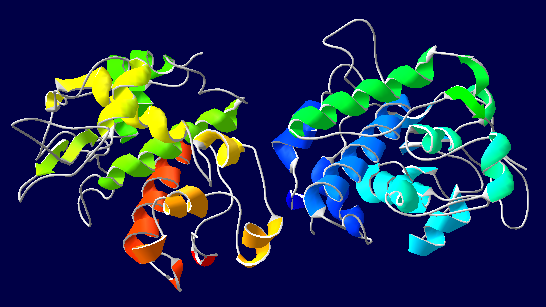
Las quitinasas son enzimas hidrolíticas capaces de romper los enlaces β-(1,4) entre residuos de N-acetilglucosamina, es decir, el esqueleto químico de la quitina. Cuando esta hidrólisis ocurre sobre la pared celular de un hongo sensible, el resultado puede traducirse en debilitamiento de la estructura, deformación hifal, pérdida de integridad, alteración de la germinación y, en ciertos contextos, lisis celular.
Desde el punto de vista bioquímico, no se trata de una "toxicidad" inespecífica, sino de una despolimerización dirigida de un componente estructural clave.
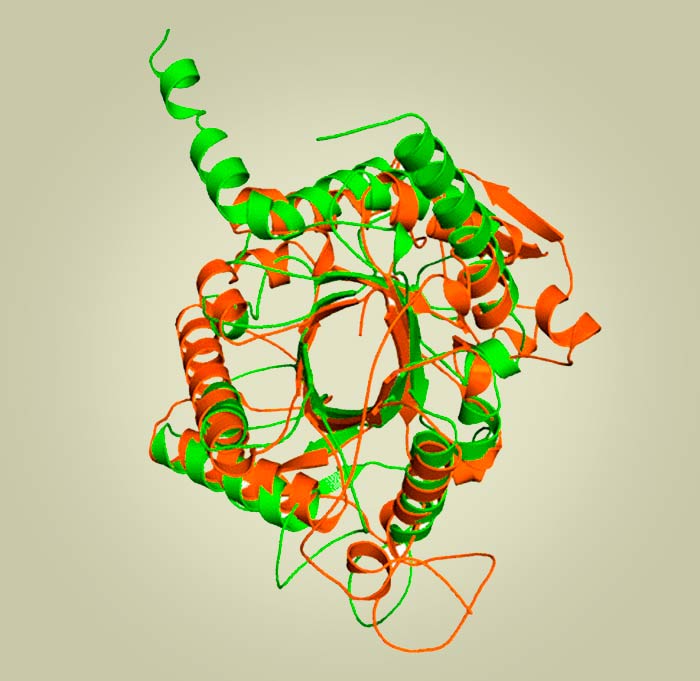
En un trabajo clásico, una endoquitinasa purificada de frijol provocó deformaciones visibles en hifas activas de Rhizoctonia solani. En otro estudio, una quitinasa purificada de Trichoderma mostró acción hidrolítica convincente sobre la pared de Sclerotium rolfsii. Más recientemente, investigaciones con quitinasas de Streptomyces y con aislamientos de Trichoderma han vuelto a mostrar actividad antifúngica o supresión biológica relevante frente a patógenos como Fusarium, Rhizoctonia y Sclerotium.
Matiz importante: No todos los hongos responden igual a una quitinasa, y no toda la eficacia biológica se explica por la quitina de manera aislada. La pared fúngica es heterogénea: la proporción y disposición de quitina, β-glucanos, α-glucanos, glicoproteínas e incluso melaninas puede cambiar entre especies y condiciones.
Por eso, en muchos sistemas el mejor desempeño aparece cuando la actividad quitinolítica se integra con otras enzimas de pared —como las β-1,3-glucanasas— o con microorganismos antagonistas capaces de secretar un cóctel más completo. La propia literatura reciente subraya que la especificidad de las quitinasas depende del isoenzima, de la arquitectura de la pared del patógeno y de sus mecanismos de defensa.
Más allá del "rompimiento": la generación de señales biológicas
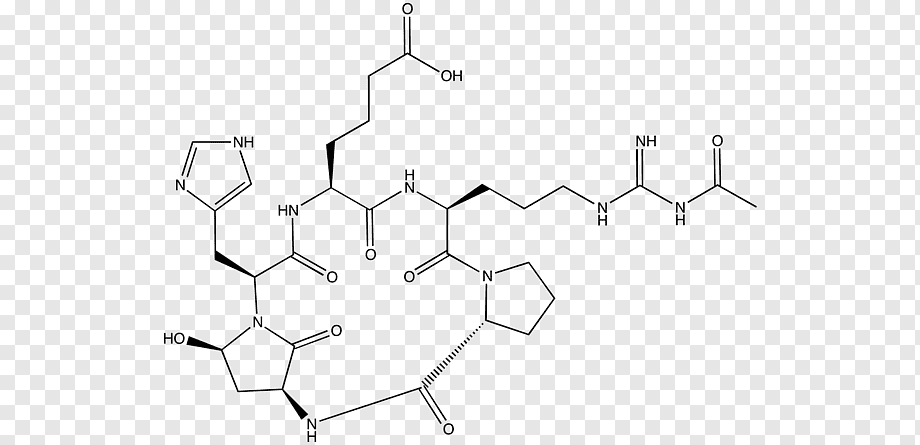
Aquí es donde el tema se vuelve especialmente interesante. Cuando la quitina se fragmenta, no solo se debilita la pared del hongo: también se generan oligosacáridos de quitina o quitooligosacáridos que pueden funcionar como señales biológicas. La planta no percibe estos fragmentos como simples residuos; los interpreta como una alerta molecular asociada a presencia microbiana.
Esa percepción ocurre mediante receptores de membrana del tipo LysM, como los sistemas LYK5/CERK1 en Arabidopsis y CEBiP/CERK1 en arroz y otras especies estudiadas.
Una vez reconocido el fragmento, la planta activa rutas de inmunidad disparada por patrones o PTI, junto con cascadas de señalización defensiva y cambios transcripcionales que fortalecen su capacidad de respuesta.
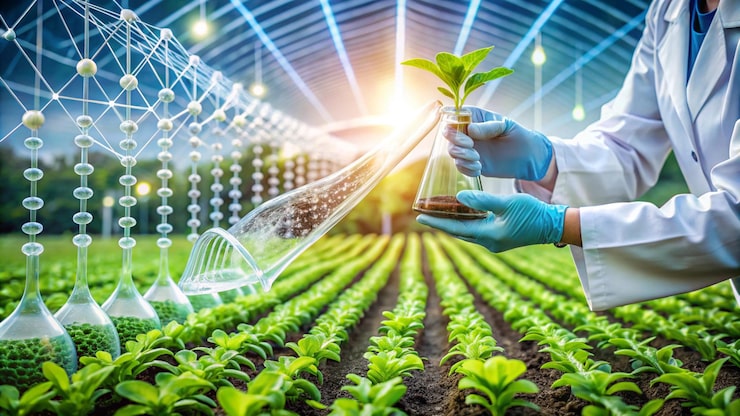
Las revisiones recientes sobre inmunidad vegetal y elicitores de carbohidratos coinciden en que estos fragmentos pueden actuar como elicitores o como agentes de priming, es decir, no necesariamente "curan" por sí mismos, pero sí pueden preparar a la planta para responder más rápida o intensamente ante una agresión posterior. Ese matiz es importante: en agronomía avanzada, la diferencia entre un insumo que ataca directamente al patógeno y uno que mejora la preparación fisiológica del cultivo ya no es secundaria; es parte central del diseño de formulaciones modernas.
"El verdadero valor no está solo en tener quitooligosacáridos, sino en saber cuáles se generan, en qué perfil y para qué objetivo fisiológico"
Quitooligosacáridos y bioestimulación: una frontera prometedora, pero dependiente de formulación
Por eso el interés por las quitinasas no termina en el control fitopatológico. También despiertan atención como herramientas para generar, mediante hidrólisis controlada, moléculas con potencial en bioestimulación. Distintos trabajos y revisiones han asociado a quitina, quitosano y quitooligosacáridos con efectos sobre germinación, fotosíntesis, desarrollo radicular, biomasa y tolerancia a estrés, además de respuestas relacionadas con defensa. En varios casos, estos compuestos también parecen modular interacciones en la rizósfera y dialogar con microorganismos benéficos.
Precisión científica indispensable: No todo quitooligosacárido se comporta igual. Su efecto depende de variables como el grado de polimerización, el patrón de acetilación, el peso molecular, la dosis, la vía de aplicación, la especie vegetal y el contexto ambiental. La investigación también ha documentado que concentraciones elevadas pueden frenar el crecimiento en lugar de estimularlo.
Por eso, cuando se habla de bioestimulación basada en derivados de quitina, el verdadero valor no está solo en "tener COS", sino en saber cuáles COS se generan, en qué perfil, con qué pureza y para qué objetivo fisiológico.
Biosíntesis, fermentación y diseño de ingredientes funcionales
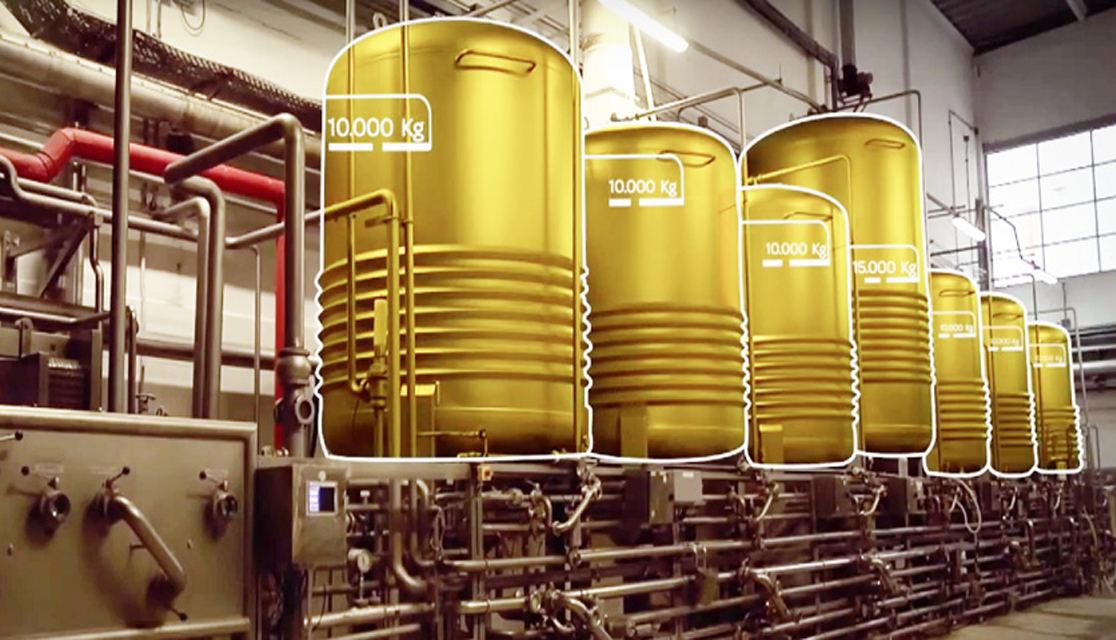
Desde la perspectiva industrial, esto abre una pregunta clave: ¿cómo producir hidrolizados o fracciones quitínicas de manera más controlada? La literatura sobre producción de quitooligosacáridos distingue entre rutas químicas y enzimáticas, pero concede una ventaja importante a la hidrólisis enzimática cuando se busca mayor especificidad, procesos más suaves y mezclas mejor definidas.
Las quitinasas y otras enzimas relacionadas permiten ajustar, al menos parcialmente, el tipo de oligómeros obtenidos según el sustrato y la especificidad catalítica. En otras palabras, la bioquímica del proceso no solo transforma materia prima: diseña funcionalidad.
Ese punto es especialmente relevante para laboratorios, formuladores y áreas de I+D. En la práctica, dos hidrolizados "derivados de quitina" pueden tener comportamientos biológicos muy distintos si difieren en tamaño, acetilación o distribución de oligómeros. De ahí que la conversación más avanzada ya no se quede en "enzima sí o no", sino en variables de proceso: cepa productora, fermentación, purificación, perfil enzimático, control analítico del lote y compatibilidad con otras matrices de formulación.
Las revisiones más recientes sobre inmunoinductores vegetales también insisten en que el salto desde la ciencia básica hasta productos consistentes depende justamente de ese control fino de formulación y entrega.
Lo que esto significa para la agricultura mexicana
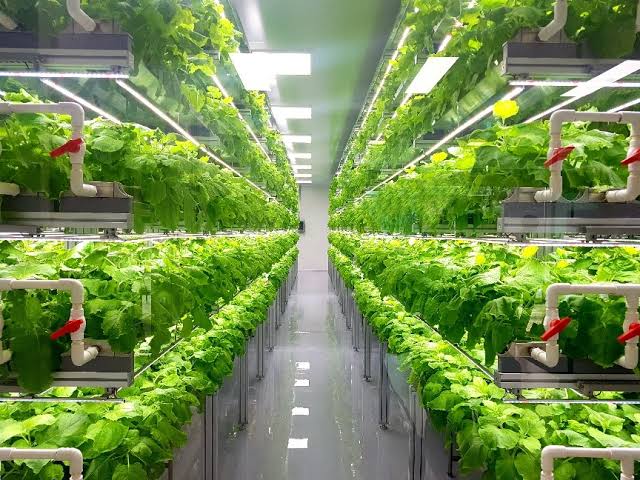
Para México, donde convergen agricultura intensiva, exportación hortícola, presión sanitaria y una discusión creciente sobre bioinsumos, las quitinasas representan una línea de trabajo con mucho sentido técnico. No porque deban verse como sustituto universal de todo fungicida, sino porque encajan en una lógica más sofisticada: ingredientes biotecnológicos que pueden participar en estrategias integradas.
3.5M ton
Producción de hortalizas en agricultura protegida
110,000
Empleos generados por agricultura protegida
Ya sea por acción sobre estructuras fúngicas ricas en quitina, por generación de señales moleculares útiles para la planta, o por su valor como plataforma de desarrollo para nuevas formulaciones. En un entorno donde el mercado premia cada vez más la sostenibilidad, la trazabilidad y el desempeño agronómico consistente, esa combinación resulta especialmente atractiva.
Conclusión
Hablar de quitinasas "frente a hongos" ya no basta. Su verdadero interés está en que operan en dos niveles al mismo tiempo. Primero, como herramientas de intervención estructural, al degradar componentes críticos de la pared celular de diversos hongos fitopatógenos. Segundo, como generadoras de señales bioactivas, capaces de detonar respuestas defensivas y, bajo ciertas condiciones, efectos asociados con bioestimulación.
Ese doble papel explica por qué hoy ocupan un lugar tan relevante en la conversación sobre bioquímica agrícola, bioinsumos e innovación en formulaciones. La frontera científica ya no está solo en demostrar que una quitinasa rompe quitina; está en aprender a convertir esa reacción en tecnología reproducible, medible y útil para sistemas agrícolas reales.
Nota de divulgación
El presente texto es un esfuerzo de divulgación científica sobre hallazgos documentados en bioquímica de quitina, inmunidad vegetal y biotecnología agrícola. En Bio Green Labs no planteamos este contenido como diagnóstico agronómico ni como promesa comercial de desempeño en campo.
Nota del laboratorio
Somos una compañía mexicana enfocada en la biosíntesis, extracción y comercialización B2B de quitinasas orgánicas para proyectos de investigación, desarrollo y formulación. Para laboratorios, áreas técnicas y empresas que buscan explorar rutas de innovación en bioinsumos, fermentación o ingredientes funcionales, el valor comienza en una pregunta muy concreta: qué perfil enzimático se necesita y qué tipo de moléculas se quiere obtener a partir de él.