Por qué el problema de los nematodos es grande y particularmente relevante en México
Los nematodos fitoparásitos del suelo rara vez "se ven", pero pueden definir el resultado económico de una siembra, especialmente en hortalizas y sistemas intensivos con ciclos repetidos. A escala global, las pérdidas económicas asociadas a nematodos fitoparásitos se han estimado del orden de USD 173 mil millones anuales, lo que los coloca como un riesgo silencioso pero masivo para la seguridad alimentaria y la rentabilidad agrícola.
USD 173B
Pérdidas globales anuales por nematodos
3,000+
Especies de plantas afectadas por Meloidogyne
68%
Pérdida potencial de rendimiento en jitomate
Dentro de ese universo, los nematodos agalladores del género Meloidogyne destacan por dos razones: (1) su amplísimo rango de hospederos y (2) su capacidad de multiplicarse con rapidez una vez que se establecen en el lote. En un estudio mexicano sobre jitomate en Sinaloa se resume un dato clave: Meloidogyne puede afectar más de 3,000 especies de plantas, y su infección se reconoce por la formación de agallas en raíces.
En sistemas hortícolas mexicanos, el reto no solo es "tener o no tener" Meloidogyne, sino qué especie está presente. En Sinaloa, un muestreo de 160 lotes (campo abierto, malla sombra e invernadero, en varios ciclos) encontró una dominancia marcada de M. enterolobii (88%), con presencia menor de M. incognita (10%) y M. arenaria (2%). Esto importa porque M. enterolobii se ha asociado a escenarios donde las estrategias clásicas (incluidas resistencias varietales) pueden fallar con mayor frecuencia.
Contexto regulatorio: En México, en 2025 se publicó un decreto presidencial que prohíbe 35 plaguicidas y que, además, define que la prohibición abarca desde la producción y formulación hasta la comercialización, uso y disposición final en territorio nacional. La lista incluye moléculas históricamente usadas en agricultura intensiva (por ejemplo aldicarb y carbofurán, entre otras).
En este escenario, tecnologías de "precisión biológica" —como usar enzimas específicas en el suelo— han ganado atención. Entre ellas, las quitinasas destacan porque apuntan a un componente muy particular de la biología de muchos organismos del suelo: la quitina.
Cómo dañan los nematodos agalladores y por qué son tan difíciles de controlar
El daño de Meloidogyne no se limita a "raíces feas". El mecanismo es más sofisticado y explica por qué el control químico tradicional muchas veces termina en espiral (más aplicaciones, menos eficacia, más presión regulatoria).
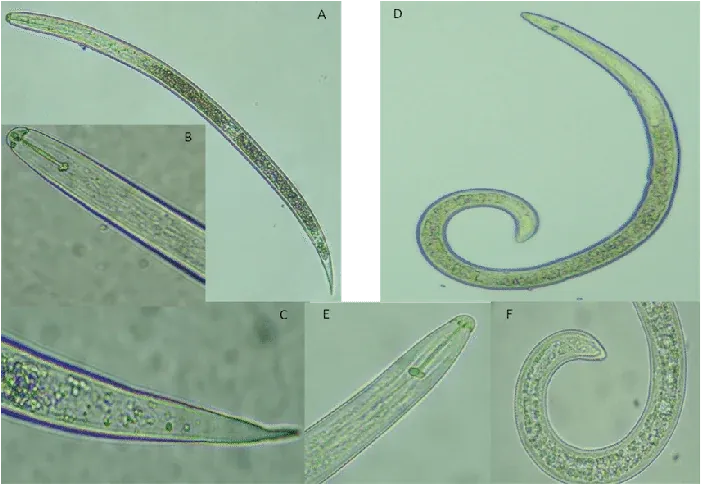
Después de la eclosión, el juvenil de segundo estadio (J2) es la fase infectiva: se desplaza en el suelo, penetra la raíz y migra hacia tejidos vasculares. Ahí induce un sitio de alimentación permanente compuesto por células gigantes (giant cells), que son células vegetales reprogramadas para funcionar como un "sumidero" metabólico que alimenta al nematodo mientras este se desarrolla.
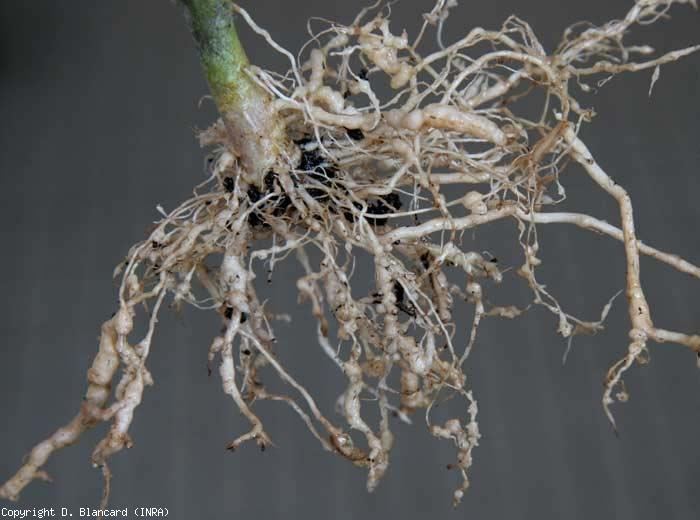
El resultado visible es la agalla, una hipertrofia/hiperplasia del tejido alrededor del sitio de alimentación. Ese cambio anatómico altera la dinámica de agua y nutrimentos, y suele traducirse en menor vigor, clorosis, marchitez en horas de calor y caída de rendimiento (además de predisponer a infecciones secundarias al dañar el tejido radicular).
En jitomate, se han reportado pérdidas de rendimiento que pueden llegar hasta 68% asociadas a nematodos agalladores, un rango que ayuda a dimensionar por qué el tema es crítico en horticultura de alto valor.
La trampa del manejo es que, una vez establecida una población alta en un lote, reducirla "a niveles no dañinos" se vuelve difícil: los síntomas pueden confundirse con estrés abiótico, se llega tarde, y la reproducción del nematodo hace el resto.
Quitina: el objetivo real de las quitinasas y lo que conviene aclarar
Una idea frecuente en divulgación es que "la cutícula del nematodo es de quitina". En realidad, la evidencia bioquímica más sólida indica que el cutículo (la "piel" externa del nematodo) es una matriz compleja compuesta principalmente por colágeno y proteínas asociadas, y que los colágenos son componentes estructurales dominantes.
Entonces, ¿por qué tiene sentido hablar de quitina para controlar nematodos?
Porque la quitina es especialmente relevante en el huevo. Los huevos de nematodos tienen capas bien definidas; una de ellas es la capa quitinosa (Chitinous Layer), descrita como una capa generalmente gruesa y estructural, compuesta por fibras de quitina asociadas a proteínas, con funciones de rigidez y protección del embrión.
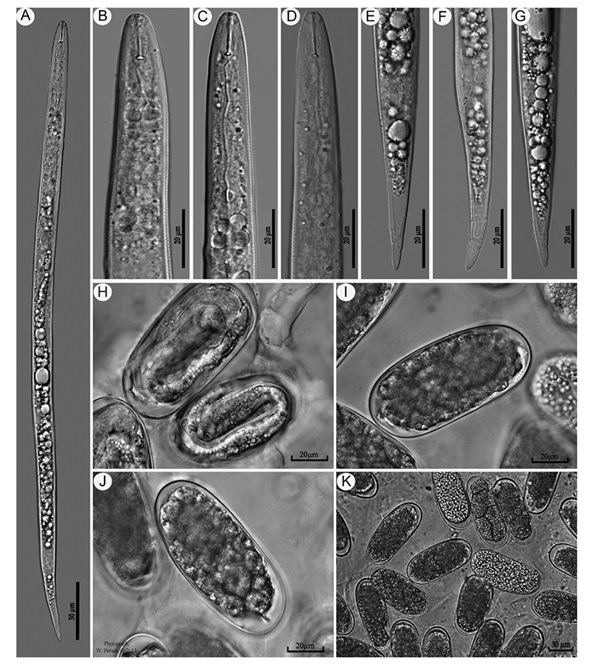
Esto cambia la forma correcta de contar la historia: la quitinasa es, sobre todo, una herramienta para atacar el cuello de botella "huevo → eclosión → J2 infectivo", más que una "bala mágica" contra la cutícula externa por sí sola. En la práctica, muchas soluciones biológicas funcionan como paquetes (quitinasas + proteasas + metabolitos + competencia microbiana), y su eficacia se explica por varias piezas actuando a la vez.
Además, la quitina es un blanco atractivo por su selectividad biológica: es un componente mayor en la pared celular de hongos y aparece en diversos invertebrados; y en agricultura se conoce desde hace años que las plantas producen quitinasas como parte de su sistema de defensa (proteínas relacionadas con patogénesis) frente a organismos que contienen quitina.
Quitinasas y control biológico: qué muestran los datos con cifras concretas
La investigación útil para campo no se limita a "sí mata en placa". Lo más valioso es cuando hay números en condiciones cercanas a producción: invernadero, campo, combinación de prácticas. En ese terreno, hay tres rutas principales vinculadas a quitina/quitinasas.
Inhibición de eclosión y reducción de la fase infectiva
En la lógica de Meloidogyne, reducir los J2 disponibles es clave porque el J2 es la fase que inicia infección. Un estudio de biocontrol con Streptomyces rubrogriseus (aislado de huevos de Meloidogyne) reportó en laboratorio 97.0% de mortalidad de J2 y una inhibición de más de 50% de eclosión, mostrando un potencial fuerte de acción directa sobre fases críticas del ciclo.
97%
Mortalidad de J2 en laboratorio (S. rubrogriseus)
87.1%
Reducción de índice de agallas (biocontrol + biofumigación)
Este mismo trabajo es valioso porque no se quedó en laboratorio: en campo, la aplicación del microorganismo (drench con caldo con esporas) redujo el índice de agallas y la densidad de J2 a 90 días post-trasplante; y, cuando se combinó con biofumigación con residuos de col, la reducción llegó a 87.1% (índice de agallas) y 91.0% (densidad de J2), con un incremento de 16.1% en rendimiento de tomate.
Aunque aquí no se mide "quitinasa purificada" como único factor, el contexto es consistente con biocontrol quitinolítico: el aislado provenía de huevos, se observa parasitismo, y el efecto se expresa justamente en huevos/J2 (las etapas donde la quitina es más relevante).
Enmiendas con quitina que "activan" suelos supresivos
Una estrategia distinta —muy pertinente para productores— es no aplicar enzima purificada, sino modificar el suelo para favorecer microorganismos antagonistas y procesos quitinolíticos.
Un ensayo en invernadero evaluó vermicompost de estiércol bovino y su enriquecimiento con quitina. El tratamiento de vermicompost + 50% quitina logró un factor de reproducción (FR) de 3.76, mientras que el testigo alcanzó 93.20. Es decir: una reducción drástica de la capacidad del nematodo de "multiplicarse" en el sistema.
Más allá del número, este tipo de resultados sugiere un mecanismo de "ambiente hostil" para el nematodo: cambios físico-químicos del suelo, compuestos liberados durante descomposición y aumento de microorganismos antagonistas (incluidos los que producen enzimas extracelulares como quitinasas).
Biocontrol con Trichoderma y la pieza enzimática
En México hay evidencia aplicada que conecta con sistemas reales de producción, especialmente en el sureste. Un estudio en Yucatán evaluó filtrados de 20 cepas nativas de Trichoderma contra J2 de Meloidogyne incognita. En pruebas in vitro, varias cepas provocaron 74.54% a 100% de mortalidad de J2 a 24–48 horas. En invernadero, algunas cepas redujeron 50% la producción de huevos y disminuyeron el número de hembras (reducciones reportadas de 47% vs testigo para ciertas cepas), mostrando impacto no solo en "matar" sino en "cortar reproducción".
En paralelo, revisiones recientes han documentado casos donde caldos de fermentación ricos en quitinasa de Trichoderma koningiopsis alcanzan tasas letales cercanas a 90.4% contra juveniles de nematodos agalladores (dependiendo de especie y condiciones), lo cual apoya la hipótesis de que la fracción enzimática contribuye de forma importante al efecto nematicida observado.
Conclusión práctica: Las rutas biológicas basadas en microorganismos quitinolíticos y/o en inducir actividad quitinolítica ya muestran cifras competitivas en ciertos escenarios, especialmente cuando se integran con otras prácticas (biofumigación, enmiendas y manejo integrado).
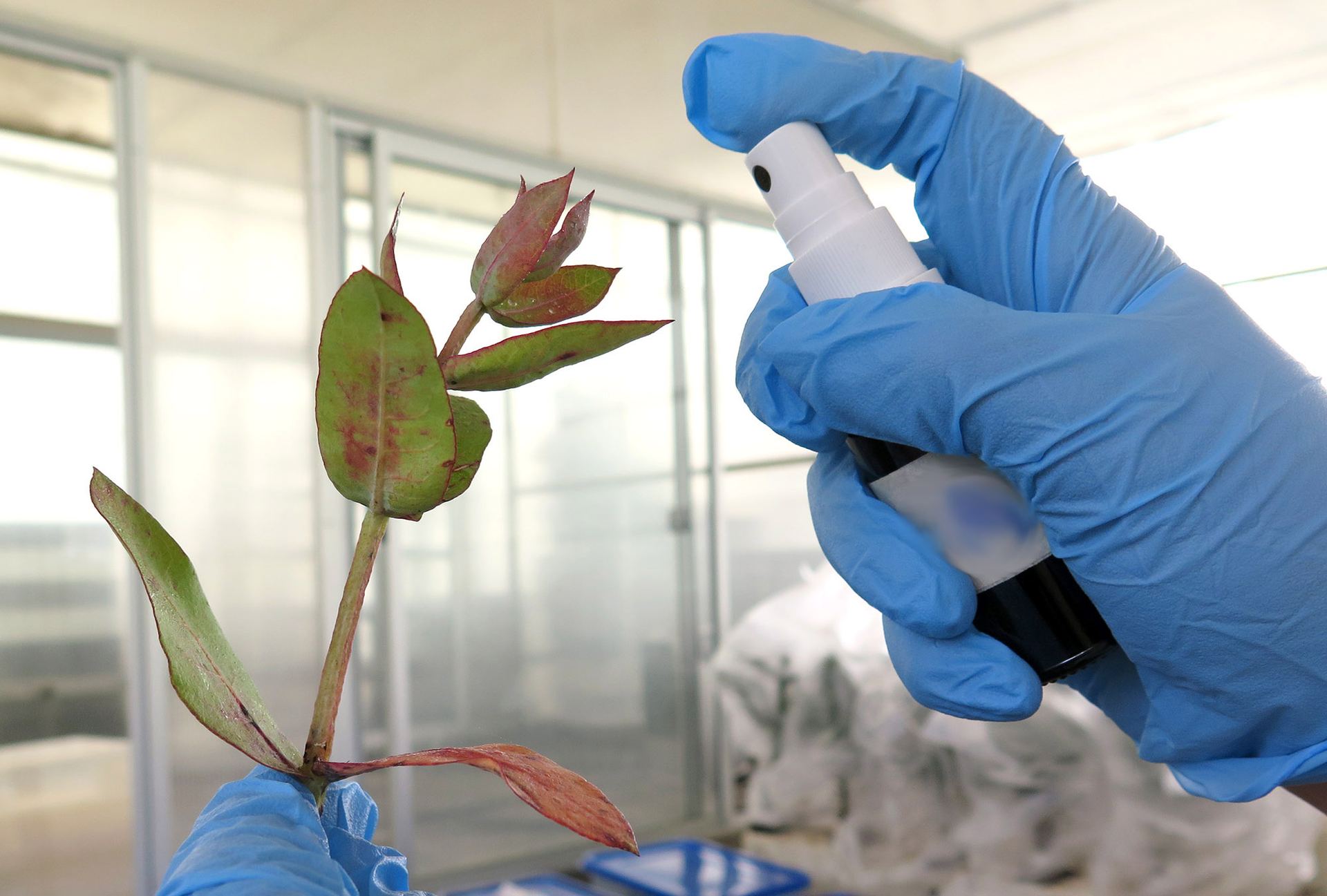
"Del laboratorio al lote: la evidencia ya muestra cifras competitivas en escenarios reales de producción"
Del laboratorio al lote: guía de decisión para implementar estrategias con quitina/quitinasas en México
Este tema se vuelve útil cuando se aterriza en decisiones de manejo: cuándo, dónde y con qué combinar. Con base en la evidencia (y en cómo funciona el ciclo del nematodo), hay cinco principios prácticos.
Preventivo y temprano
El manejo debe ser preventivo y temprano, porque el J2 es el gatillo de infección y porque el crecimiento poblacional puede volverse exponencial si se deja avanzar.
Reducir presión, no erradicar
Conviene pensar en 'reducir presión' más que en 'erradicar': incluso los estudios con resultados altos reportan reducciones significativas y mejoras de rendimiento, no 'cero nematodos'.
Identificar la especie
La identificación de especie puede cambiar la estrategia. En jitomate de Sinaloa, la dominancia de M. enterolobii (88%) es una alerta porque el desempeño de resistencias puede no ser el mismo.
Enmiendas en horticultura protegida
Los sistemas donde se repite el cultivo y se mantiene humedad/temperatura favorables tienden a sostener poblaciones más altas; por eso enmiendas (quitina + compost/vermicompost) y rotaciones tienen lógica agronómica.
Estrategias en capas
Las estrategias de quitina/quitinasas suelen funcionar mejor como capas: enmiendas para suelos supresivos, biocontrol microbiano (Trichoderma, actinobacterias) y biofumigación como refuerzo.
En términos de "qué esperar", los resultados documentados van desde reducciones parciales (p. ej., >50% de inhibición de eclosión en condiciones específicas) hasta escenarios de control alto (p. ej., 87–91% al integrar prácticas y aumentos de rendimiento).
Seguridad, regulación y oportunidad de mercado: por qué esto encaja con la transición mexicana a bioinsumos
La tendencia regulatoria y comercial empuja hacia insumos de menor riesgo. El decreto mexicano de 2025 sobre 35 plaguicidas prohibidos es evidencia de una transición que, en la práctica, obliga a productores y formuladores a ampliar el repertorio de herramientas, especialmente en plagas del suelo donde la dependencia histórica de moléculas muy tóxicas fue alta.
En el marco regulatorio mexicano, es importante entender que los insumos (incluidos biológicos) no operan en vacío. En México, la regulación de plaguicidas involucra a tres dependencias federales: salud, ambiente y eficacia biológica agrícola. El registro sanitario de plaguicidas lo emite Comisión Federal para la Protección contra Riesgos Sanitarios en coordinación con Secretaría de Medio Ambiente y Recursos Naturales y Secretaría de Agricultura y Desarrollo Rural, y se menciona también el rol de Servicio Nacional de Sanidad, Inocuidad y Calidad Agroalimentaria en programas de control biológico.
Esto tiene implicaciones directas para quitinasas y formulaciones relacionadas:
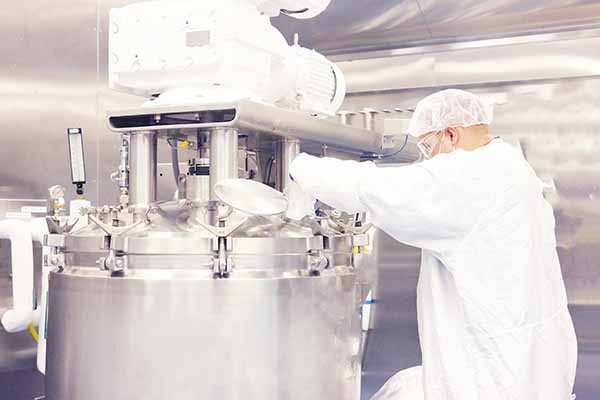
- Si se piensa en quitinasa como ingrediente activo/biomolécula, la consistencia (actividad enzimática, estabilidad, compatibilidades) se vuelve tan importante como el "concepto". En investigación aplicada, se reportan condiciones y rendimientos específicos de producción de quitinasa en fermentación sólida para Trichoderma koningiopsis, lo que muestra que la ingeniería de producción es parte central de volver esto un insumo agrícola confiable.
- Si se usa quitina como enmienda, la lógica es más "ecológica": inducir actividad quitinolítica y cambios en el microbioma del suelo, con evidencia de fuertes impactos en reproducción del nematodo.
Finalmente, si el objetivo es "orientarlo a México" con datos productivos, vale la pena mirar dos escalas: nacional y estatal. En jitomate en Sinaloa se documentaron cifras de producción/exportación en temporadas específicas (por ejemplo, cerca de 1 millón de toneladas producidas en una temporada y exportaciones cuantificadas con valor económico), lo que explica por qué nematodos del suelo tienen impacto macro en cadenas de valor. Por otro lado, en Estado de México hay datos oficiales estatales que reportan, para 2024, superficie, producción y valor del jitomate a nivel municipal y total estatal (por ejemplo, 145,683.09 toneladas y 1,215,226.83 miles de pesos como total estatal), útiles para dimensionar la importancia regional del cultivo y el costo potencial de perder productividad por patógenos del suelo.
Nota de divulgación y uso responsable
Este artículo es de divulgación científica y se enfoca en mecanismos y evidencia publicada. La implementación en campo depende de diagnóstico local (densidad poblacional, especie, historial del lote), clima, sistema de producción y del cumplimiento de la regulación aplicable a insumos fitosanitarios en México.
Nota del laboratorio
Bio Green Labs es una empresa mexicana orientada a la producción y escalamiento de enzimas como quitinasa; cualquier uso comercial o integración en formulaciones debe fundamentarse en especificaciones técnicas (actividad, pureza, estabilidad) y en lo que permita el marco regulatorio vigente.