Una transición estructural desde la raíz biológica
Desde nuestra fundación como una empresa cien por ciento mexicana, en Bio-Green Lab hemos observado una transformación ineludible en la manera en que las industrias abordan el manejo de organismos nocivos. Durante décadas, la respuesta estándar ante cualquier amenaza biológica fue la intervención mediante compuestos sintéticos diseñados para generar toxicidad aguda. Sin embargo, la naturaleza es dinámica y las estrategias basadas exclusivamente en el envenenamiento químico están mostrando signos claros de agotamiento, tanto a nivel ecológico como regulatorio. Nuestra misión se ha centrado en impulsar soluciones biológicas de alto impacto, proporcionando materias primas avanzadas para que la industria logre sustituir gradualmente su dependencia de las moléculas químicas tradicionales.
A través de la transferencia tecnológica y un enfoque profundamente arraigado en la investigación científica, proponemos una transición estructural. La visión que defendemos se basa en el desarrollo de ingredientes activos naturales, seguros y biodegradables que protegen el entorno. Para nosotros, la gestión de la sanidad agrícola y urbana ya no debe entenderse como una batalla de toxicidad indiscriminada, sino como una intervención inteligente y dirigida en la biología misma de los organismos.
+15 años
de I+D dedicados a quitinasas
>99%
de pureza biotecnológica del Q-100
4
concentraciones (Q-10, Q-25, Q-50, Q-100)
0
resistencia genética posible
El límite de los agroquímicos y la crisis de resistencia en insectos urbanos
El modelo convencional de manejo biológico se ha fundamentado históricamente en atacar el sistema nervioso central de los insectos o interferir con sus procesos metabólicos básicos. Aunque este enfoque brindó resultados inmediatos durante la mayor parte del siglo pasado, su uso reiterado ha desencadenado un fenómeno biológico de alta complejidad: la resistencia genética. Al aplicar dosis continuas de compuestos sintéticos, los individuos más susceptibles perecen, pero aquellos con mutaciones genéticas ventajosas sobreviven y heredan estas características a las siguientes generaciones, creando poblaciones altamente resilientes.
Frente a este panorama, industrias enteras se enfrentan a un desafío operativo sin precedentes. Especies endémicas en entornos urbanos y agrícolas, desde la cucaracha alemana y las chinches de cama hasta el gusano cogollero, exigen formulaciones cada vez más concentradas para lograr mantener los umbrales de infestación bajo control. Este ciclo continuo de dependencia no solo incrementa los costos para las empresas formuladoras y los productores, sino que también eleva exponencialmente el riesgo de dejar trazas tóxicas persistentes en los alimentos, contaminar la microbiota del suelo y vulnerar la calidad de los mantos acuíferos.
Encrucijada regulatoria: Las normativas internacionales y las dependencias de salud pública apuntan hacia una vigilancia cada vez más estricta frente a los residuos tóxicos. Los desarrolladores de insumos, los facility managers y los profesionales del sector agroindustrial se encuentran donde los métodos convencionales chocan de frente con las políticas de sostenibilidad.
Es precisamente en este punto de inflexión donde la provisión de activos biotecnológicos deja de ser una alternativa experimental para convertirse en una necesidad industrial de primer nivel.
Presentando el Q-100: más de 15 años de investigación en quitinasas
Para ofrecer una respuesta tecnológica contundente a las limitaciones de los compuestos tradicionales, en Bio-Green Lab hemos dedicado más de 15 años a la investigación y desarrollo (I+D) en el campo de la biotecnología enzimática. El resultado tangible de este esfuerzo sostenido es nuestro corazón tecnológico: el ingrediente activo Q-100. Se trata de una quitinasa de grado biotecnológico ultrapurificada, alcanzando más del 99% de pureza, la cual obtenemos mediante un sofisticado y riguroso proceso de fermentación controlada de cepas específicas del hongo Trichoderma sp.
Mecanismo molecular: La enzima cataliza la hidrólisis de la quitina, rompiendo los enlaces glucosídicos β-1,4 a nivel molecular. La quitina es el biopolímero estructural primario que compone el exoesqueleto de artrópodos, ácaros y las paredes celulares de los hongos fitopatógenos.
El mecanismo de acción de esta enzima replantea por completo la interacción con el organismo objetivo. En lugar de actuar como un veneno sistémico, la acción del Q-100 provoca una degradación física severa en la cutícula externa del organismo. Paralelamente, su aplicación continua debilita las estructuras protectoras de los huevos, facilitando la interrupción de su ciclo biológico.
Bajo esta premisa científica, afirmamos que nuestra tecnología no es un golpe químico, es un desgaste estructural progresivo. Al incidir físicamente en la integridad de la "armadura" biológica, la probabilidad de que el organismo desarrolle resistencia genética es prácticamente nula. Las especies no poseen la capacidad metabólica para mutar y prescindir de la quitina, ya que es el soporte anatómico esencial para su supervivencia.
Es imperativo subrayar que el Q-100 no es un insecticida, plaguicida o producto terminado listo para su aplicación final por el consumidor. Nos posicionamos estrictamente como proveedores de biotecnología Upstream. El Q-100 es un ingrediente activo diseñado para integrarse como el motor biológico en los procesos de manufactura o formulaciones finales de otras empresas.
Cuatro presentaciones según concentración
Q-100
Uso industrial de máximo rendimiento
Q-50
Requerimientos industriales medios
Q-25
Estandarización de líneas de formulación
Q-10
Base versátil para bioinsumos de amplio espectro
Aplicación en campo: transición hacia una biotecnología sin residuos
La capacidad de degradar biopolímeros estructurales aporta un valor biológico y económico incalculable a lo largo de las diversas cadenas de valor. Cada sector encuentra en la quitinasa una palanca diferente para reducir su huella química y elevar la trazabilidad de sus procesos.
Sectores de aplicación
Agricultura
A campo abierto y agricultura protegida: la incorporación de nuestras enzimas como materia prima en bioinsumos permite la gestión inteligente de amenazas estructurales y agentes patógenos. Fomenta el equilibrio microbiológico del suelo y facilita el cumplimiento de estándares de exportación libres de trazas químicas.
Ganadería y pecuario
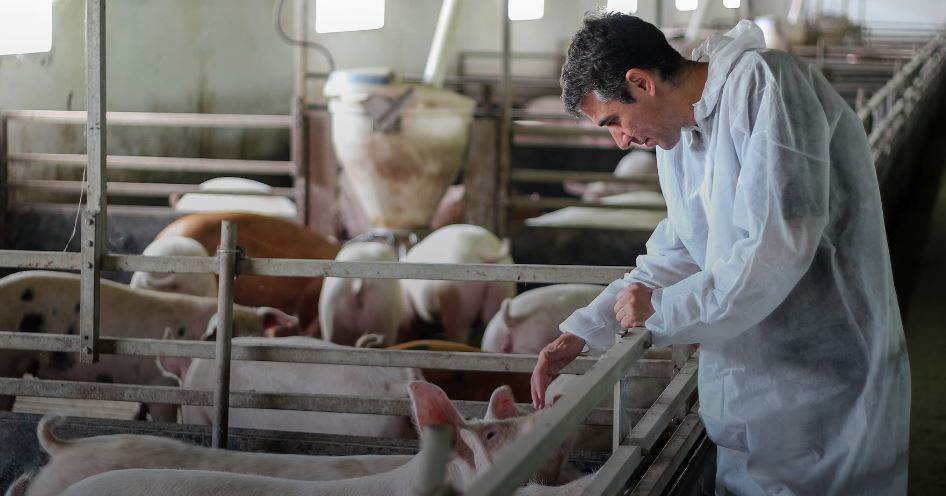
La integración de ingredientes enzimáticos introduce un modelo donde el desgaste de la cutícula de los ectoparásitos ayuda a reducir la carga parasitaria, disminuyendo la dependencia de principios activos sistémicos. No genera bioconcentración ni residuos tóxicos en carne o leche.
Avicultura
La biotecnología enzimática se suministra para el diseño de soluciones de control ambiental en galpones. Ayuda a estabilizar los parámetros de conversión alimenticia de forma natural al mitigar el estrés por agentes externos y vapores químicos.
Facility Management
En entornos urbanos, institucionales y corporativos, las quitinasas refuerzan la bioseguridad operativa eliminando vapores tóxicos y olores penetrantes en espacios confinados.
Beneficios operativos para empresas de fumigación y facility management
Dentro de los entornos urbanos, institucionales y corporativos, las exigencias operativas y de cumplimiento legal son sumamente estrictas debido a la proximidad ininterrumpida con seres humanos, mascotas y líneas de procesamiento de la industria alimentaria. Para las empresas profesionales de control de plagas y los especialistas en facility management, enfrentarse a poblaciones biológicas altamente adaptadas representa un riesgo operativo crítico para la inocuidad de las infraestructuras.
Al integrar tecnología basada en quitinasas dentro de sus insumos y protocolos de servicio, estas empresas aseguran una ventaja competitiva basada en la bioseguridad. El beneficio más inmediato es la eliminación del riesgo de exposición a olores penetrantes y vapores tóxicos en espacios confinados, un factor limitante que anteriormente obligaba a la evacuación de instalaciones, la paralización de jornadas laborales o la detención de líneas de manufactura. Al emplear productos formulados con nuestro ingrediente activo enzimático, los espacios pueden ser intervenidos minimizando los riesgos de intoxicación laboral.
Modelo B2B y transferencia tecnológica: Bio-Green Lab opera exclusivamente bajo un modelo Business-to-Business altamente estructurado. El proceso inicia con consulta técnica profunda, calibramos dosificación y concentración óptima de Q-100, y brindamos acompañamiento técnico exhaustivo en la validación dentro de las matrices del cliente. La responsabilidad del registro y cumplimiento regulatorio del producto final permanece en manos del fabricante o formulador.
La adopción de este nivel de innovación biotecnológica empodera a los administradores de instalaciones para alcanzar, documentar y mantener certificaciones internacionales de calidad, inocuidad y gestión ambiental (como ISO o esquemas LEED). Integrar herramientas biológicas que apoyen el mantenimiento de espacios higiénicos sin incrementar la huella toxicológica es, en la actualidad, el estándar de oro en la gestión profesional de inmuebles.
Glosario técnico
Quitina
Biopolímero estructural compuesto por unidades de N-acetilglucosamina; forma el exoesqueleto de artrópodos y la pared celular de hongos.
Quitinasa
Enzima hidrolítica que cataliza la ruptura de los enlaces β-1,4 de la quitina, degradando su integridad estructural.
Hidrólisis β-1,4
Reacción enzimática que escinde el enlace glucosídico β-1,4 entre monómeros de N-acetilglucosamina en la quitina.
Trichoderma sp.
Género de hongos saprofitos utilizado como cepa productora industrial de quitinasas mediante fermentación controlada.
Biotecnología Upstream
Provisión de ingredientes activos y materias primas biológicas para que terceros formulen el producto final.
Bioinsumo
Insumo agrícola, pecuario o industrial cuyo principio activo es de origen biológico, biodegradable y de baja huella toxicológica.
Rizosfera
Microambiente del suelo que rodea las raíces, donde interactúan microorganismos clave para la nutrición vegetal.
Bioconcentración
Acumulación de una sustancia en tejidos vivos a concentraciones superiores a las del entorno; las enzimas no la generan al ser biodegradables.
Preguntas frecuentes sobre biotecnología en control de plagas
Aviso legal: Q-100 es un ingrediente activo de grado quitinasa, no un producto terminado de uso veterinario o sanitario. La información aquí contenida tiene carácter científico-divulgativo y no constituye recomendación de aplicación específica. Consulte a su asesor técnico para protocolos de uso ajustados a su cultivo, industria y región.